
Why an ESOP Can Be a Powerful Succession Tool
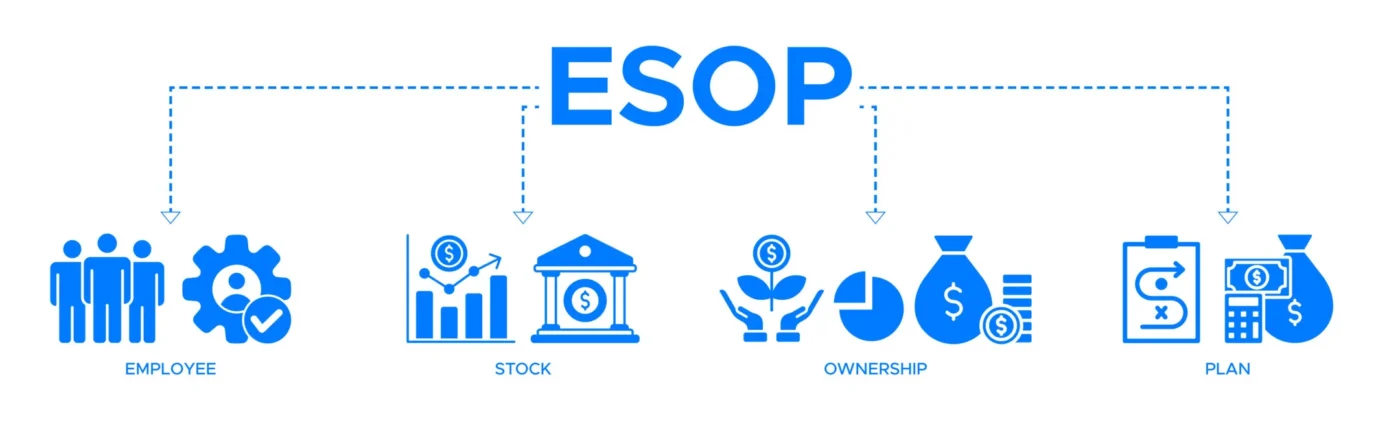
An Employee Stock Ownership Plan (ESOP) is one of the most effective succession planning tools available to business owners. It provides a structured, tax-advantaged way to transfer ownership to employees while rewarding loyalty and preserving the company’s culture. For many mid-sized businesses, an ESOP creates a win-win solution by aligning the interests of owners, employees, and the long-term goals of the organization.
Why ESOPs Work
At its foundation, an ESOP establishes an internal market for your company’s shares. Instead of selling to an outside investor or private equity firm, the owner sells shares to a qualified retirement trust that benefits employees. The trust often finances this purchase with borrowed funds, which the company repays through deductible contributions over time. This setup provides liquidity for the owner, continuity for the company, and meaningful equity participation for employees.
ESOPs work best for businesses with stable cash flow, strong management, and a collaborative culture that values transparency and accountability. They are ideal for owners seeking a gradual transition while maintaining the company’s legacy. To learn how ESOPs function, review the IRS guide to ESOPs and explore benefits and considerations in the ESOP Association’s Pros & Cons overview.
Potential Drawbacks to Recognize
Although ESOPs offer unique advantages, they aren’t the right fit for every company. They require annual valuations by independent professionals, strict fiduciary oversight, and consistent administrative reporting. The initial transaction can also involve significant legal, accounting, and financing costs. Additionally, because ESOPs often involve leverage, the resulting debt must be carefully structured to avoid straining cash flow.
Beyond financials, success depends on employee engagement. Ownership only works when communication and education are continuous. If employees don’t understand how their participation affects company performance, motivation and morale may decline. For a balanced view of ESOP structures and risks, see Investopedia’s ESOP overview.
Evaluating ESOP Feasibility
Before committing to an ESOP, conduct a feasibility study to analyze both financial and cultural readiness. This assessment models projected debt, repurchase obligations, and long-term cash flow, while also reviewing management depth, company culture, and growth potential. Comparing the ESOP model with other strategies, such as management buyouts or third-party sales, helps determine which option best aligns with your financial and succession objectives.
For more background, visit the National Center for Employee Ownership’s ESOP overview and review Kiplinger’s guide on employee-owned company benefits.
Aligning Ownership, Culture, and Legacy
A well-designed ESOP balances financial and human goals. It provides liquidity for owners, motivation for employees, and continuity for the company’s identity. When done right, it allows employees to carry the company’s mission forward, preserving its values while ensuring stability for the next generation of leadership.
Ready to Explore ESOPs?
If you’re ready to explore whether an ESOP aligns with your goals, contact Metropolitan Law Group. We’ll help you evaluate your options, model the financial impact, and build a transition plan that protects your business, employees, and legacy.