
How a Personal Injury Settlement Can Affect Medicaid or SSI Benefits
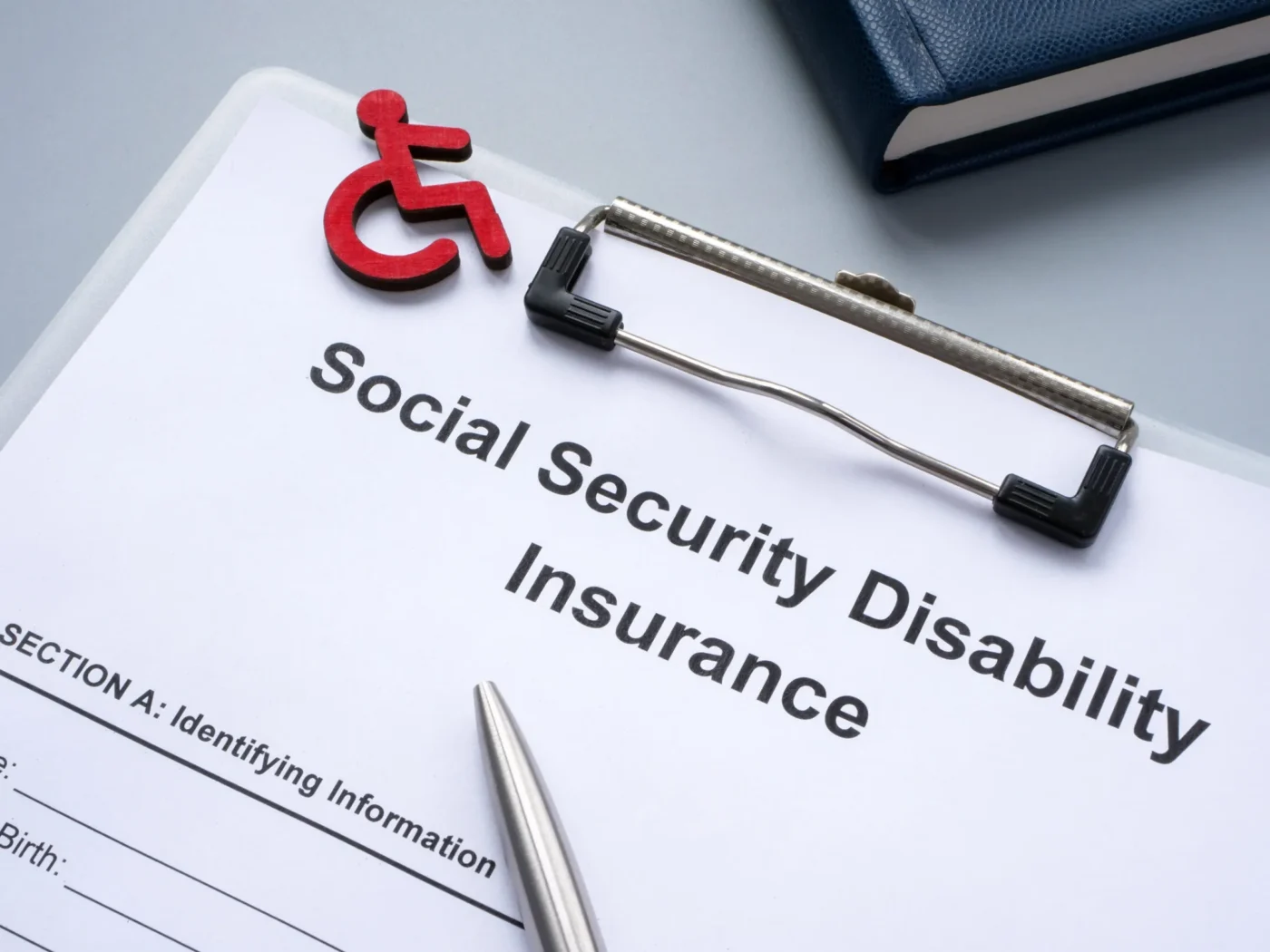
A personal injury settlement Medicaid SSI benefits issue can become serious fast. If you receive Medicaid or Supplemental Security Income, a settlement paid directly to you may count as an available asset. As a result, you could lose important benefits if planning does not happen before the money is distributed.
That risk matters because both Medicaid and SSI are needs-based programs. In other words, eligibility often depends on strict income and asset rules. Therefore, even a well-earned settlement can create problems if it is handled the wrong way.
Why benefits may be at risk
When settlement funds go straight to the injured person, the government may treat those funds as countable resources. Consequently, a recipient may face benefit problems right away. For many people, that means more than paperwork. It can affect medical coverage, monthly income, and access to long-term support.
- Loss of Medicaid eligibility
- Suspension of SSI payments
- Overpayment claims and repayment demands
- Delays in restoring benefits later
Because of that, settlement protection planning should start before any check is issued. Early planning gives you more options and helps avoid mistakes that are hard to fix later.
How a special needs trust can help
One of the most effective tools is a first-party special needs trust. If it is drafted and funded correctly, the trust may hold settlement proceeds for the injured person without treating those funds as personally available assets for benefit purposes. That is why this type of planning is often a key step when a personal injury settlement Medicaid SSI benefits problem is on the table.
Funds in the trust may be used for supplemental needs that improve daily life. For example, the trust may help pay for therapy, rehabilitation, specialized care, assistive technology, education, transportation, and other approved expenses. However, the trust must follow strict rules, so the details matter.
Why timing matters
Timing is critical. If the money is distributed first and planning happens later, you may already have created a benefits problem. Therefore, personal injury counsel and settlement protection counsel should coordinate before disbursement. That way, the right documents can be prepared in advance, and the settlement can move into the proper structure from the start.
This is also important because state-level administration can differ. Arizona recognizes special treatment trusts through AHCCCS. Minnesota law addresses supplemental needs trusts directly. Wisconsin law also recognizes special-needs trust concepts. So while the core issue is often federal, the state-specific structure still matters.
Protecting long-term stability
A settlement should improve your life after an injury, not put your support at risk. With the right planning, settlement funds may help cover needs that public benefits do not fully address. At the same time, you may preserve access to the benefits you already rely on. That balance is the goal.
If you or a loved one is receiving benefits and expects settlement proceeds, planning early can make a major difference. Metropolitan Law Group helps families in Arizona, Minnesota, and Wisconsin create trust-based plans that protect long-term stability. To talk through your options, book a complimentary 15-minute Discovery Call with our experienced staff. You can also learn more about Special Needs Trusts and Trust planning.
By Lisa Haster, Esq.